Goldsmiths
A Computational Arts Course Archive
Computational Playground
This collection presents a series of technical investigations completed during my studies at Goldsmiths. Each work explores how computational systems—code, simulation, VR environments, and algorithmic structures—can be used as both artistic material and research method.
Rather than treating technology as a tool for representation, these experiments examine its behaviour, constraints, and expressive potential. The projects range from generative visual systems to interactive spatial prototypes, each built through iterative prototyping and grounded in theoretical inquiry.
Together, they form an ongoing laboratory of practice:
probing how machines produce patterns,
how systems shape perception,
and how computational processes can articulate concepts that are difficult to express in language alone.
Disordered Memory, Re-ordered
P5.js
Generative Art
Alzheimer’s / Dementia Theme
This work was coded in P5.js. It builds an interactive visual graphic of an “elderly brain” world. A noise signal generates a smoke cloud to simulate “neurotic plaques and neurofibrillary tangles”. A random Curve shows memory disorder as messy lines (“chaos as strings”). The piece has two states: Disorder and Re-order. Viewers switch states with key presses. In Re-order, the left/right keys change the curve direction and trigger photo flashbacks. It shows how an Alzheimer’s memory timeline becomes disordered, and how visitors try to bring it back into order and recall past stories.
VR Experience
Unity
Blender 3D
Social Conformity
Gender & Dress Code
This work uses VR to build a virtual space shaped by the gaze of conformity. It focuses on how women experience pressure from dress code and appearance judgement in public spaces.
Technically, I modelled three scenes in Blender (a circular tunnel, a train carriage, and a square tunnel). Then I used Unity + C# to set up interactive triggers and on-screen prompts. The player can walk freely to trigger scene changes. NPCs will “stare at you”. In the mirror, you can also see outfit changing.
For the exhibition, I also built a simple physical tunnel and used mirror/eye elements to echo the VR space. The work aims to show how social gaze can constrain women, and the desire for freedom in what we wear.

This project was exhibited at the Goldsmiths Graduation Project Exhibition 2024.
Social Aesthetics in AI
MediaPipe
TouchDesigner
Facial Recognition
AI Ethics
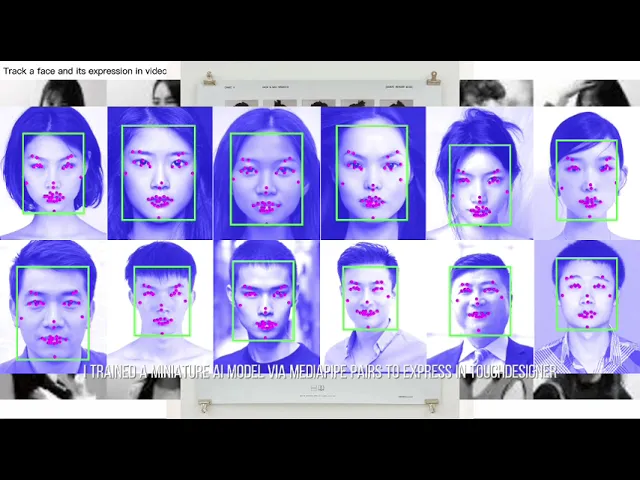
This project uses China as a case study to explore how AI face recognition and face score systems turn social aesthetics into numbers, and how they can amplify gender bias. I first reviewed mainstream beauty trends and platform cases in China, such as the Douyin Face Score filter trend.
Then I ran experiments with the Face++ attractiveness algorithm to compare patterns across genders, where features like “white / young / thin” tend to be rated higher. Based on this, I proposed a more value-diverse direction using MediaPipe (richer datasets and avoiding binary gender labels), and an experience prototype in TouchDesigner to question appearance scoring and reduce the “being judged” feeling.
The project aims to challenge the logic of face scoring and call for more ethical AI design.
Unity
Inky
Interactive Fiction
Visual Novel-style Narrative Game
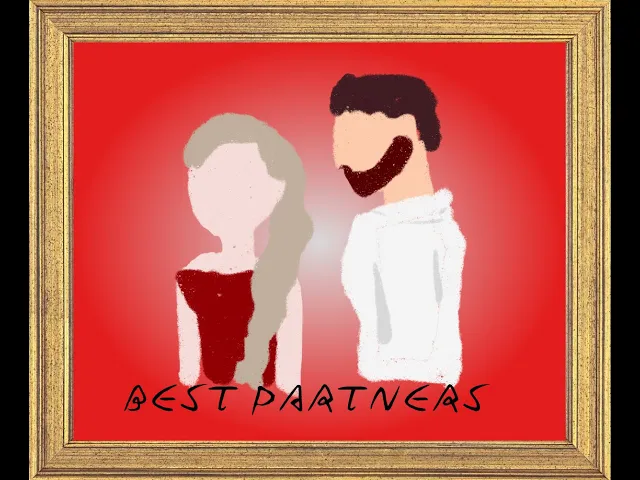
This project is an interactive fiction game. Players take the role of a junior entertainment journalist, Alex. By visiting the company, talking with insiders, and checking videos, newspapers, news reports, and online comments, the player gradually pieces together the past story of two celebrities, Stark and Lizi, and makes their own judgement through branching choices.
Technically, I wrote the interactive script in Inky, then built the 2D narrative experience in Unity, connecting text, UI, and scenes with code. For visual assets, I sourced references/materials from ArtStation and integrated them into the game.
The project aims to show how public opinion and moral judgement in the entertainment industry can pressure celebrities’ private freedom and mental state. It also avoids giving a single “final answer”, and leaves space for the player’s own interpretation.
Pulse of the Music
TouchDesigner
Embodied interaction
Rhythm visible
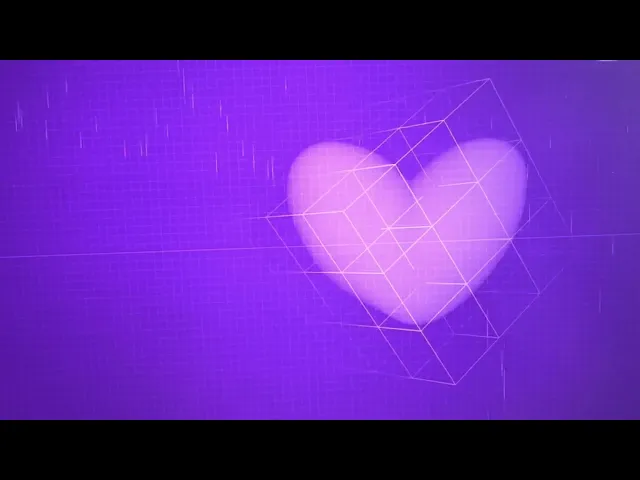
This project was created in TouchDesigner. Through audio analysis, it maps the music’s beat/energy to the heart model’s deformation and pulsing, making the rhythm “visible”. The interaction follows a clear loop: sound input → parameter mapping → visual output → audience perception, which builds an easy-to-understand cause-and-effect relationship. The beat-to-shape response is a natural mapping, and it also relates to embodied interaction—using the “heartbeat” metaphor to turn auditory rhythm into a more bodily feeling.